
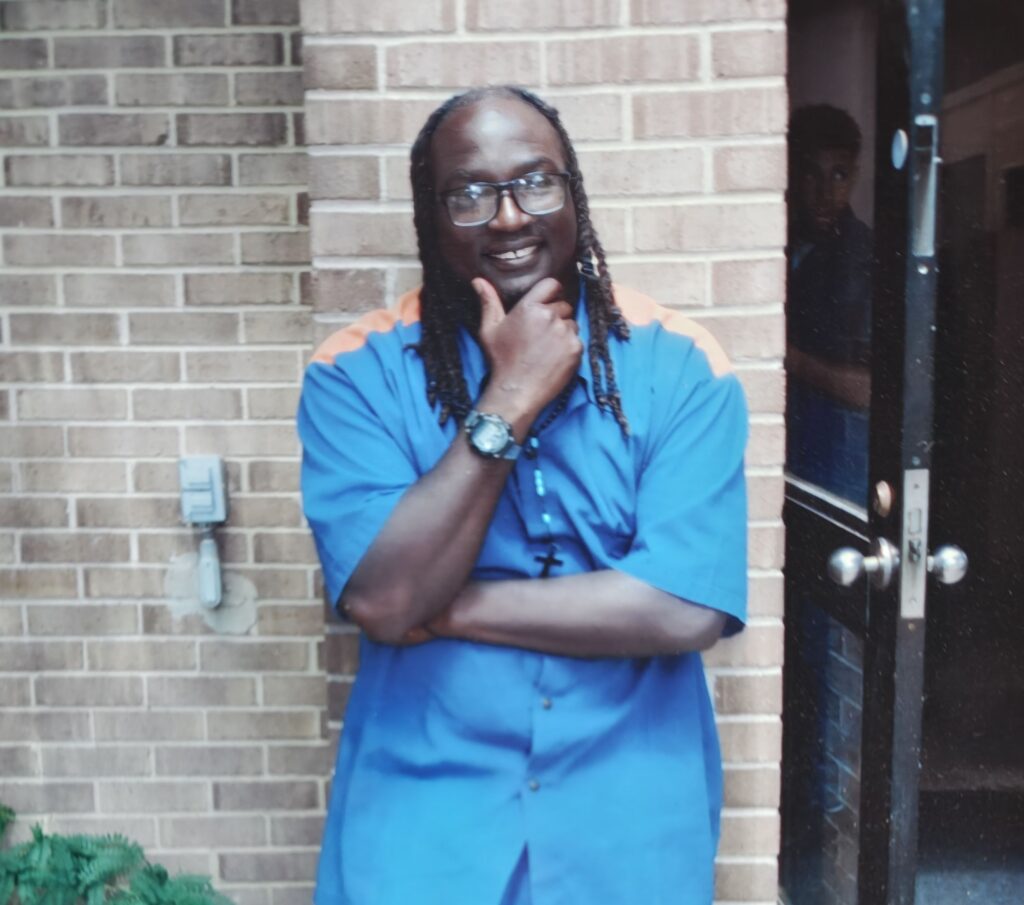

I met my best friend, Maywonn, almost a decade ago. In that time, the world has changed around us: two wars erupted, a pandemic broke out, a riot raged at the Capital, presidents have come, gone and have been decided upon once again … in short, time does what it famously does best: it goes on. I’ve known Maywonn through all of these tribulations, and we’ve talked about them on the phone and sent many letters back and forth. Yet I’ve never had a chance to see his face, nor he mine, not when dissecting events of the wider world or sharing distressing personal news. How could this be? Why would such close friends be absent for so long? The answer is simple: Maywonn has been in prison since 2001.
As per the data provided by Statista, the United States is home to the largest number of prisoners worldwide. Roughly 1.8 million people were incarcerated in the U.S. at the end of 2023. Many of the sentences for prisoners can be counted by the decade as much as by the year. According to the Federal Bureau of Prisons, 54.2 percent of sentences imposed are longer than ten years. We are a nation housing the punished.
This may not interest the general public—namely, you—much. After all, what does it matter one way or the other what happens to a person who is serving a sentence in a prison in a place you know nothing about? Even discounting wrongful convictions as an entirely separate issue and concentrating only on the criminals who justly deserve incarceration, what is the problem or the interest for the common man?
The Sentencing Project tells us that there has been a 500% increase in incarcerations in just the last 40 years. The Bureau of Justice gives an even more detailed view of why this might be the case, since admissions to prison (and jail) are outpacing population growth. The answer seems to lie in changes in policy more than in crime itself. This is an important distinction because some of the people currently in prison may not be who we typically think of as hardened criminals, but that people who committed a crime are victims of changing or unclear policy.
This is not to say that offenders do not belong in prison; this is not to make a case for leniency. Rather, this is to point out the startling growth with what now constitutes a crime punishable by a prison term and exactly how long an incarceration is necessary for which crime. You may be surprised to learn what behavior might grant such a punishment.
With so many people serving in prison today, a coworker or friend may bear the burden of an incarcerated loved one. Likewise, prisoners with long terms are often left feeling forgotten by society. While it may not be your problem today, with the rates of growth in prison population skyrocketing faster than the population increase, it is a certainty that if you don’t currently know someone in prison, you are sure to know someone who does sometime soon.
When we lock away our convicts, they often become institutionalized. Good, you might think. Let them reap what they sow. The problem is that if they haven’t sown anything particularly harmful, but their terms begin to stretch into the decades due to a policy change, then we run the risk of creating a beast. Roughly 1.8 million of them a year. It’s a tough job to sort which man is worth saving and which deserves the pit he is thrown in because of bureaucracy. To save ourselves such a job, we could reach out and give them the benefit of humanity: a letter or a call. Even a man in prison might surprise you. To stave off the slow decay of the soul is one of life’s true blessings. I call on your now to try: where there is need there is always hope. One letter leads to another. You never know, a decade later, you might find an unlikely best friend. Will you pick up the pen and find the man behind the prisoner?



Catherine, it moved me that you’ve been close to Maywonn for almost ten years and have never actually been in the same room. Talking with him through the pandemic, the elections and everything since shows how much a phone call or a letter can carry.
The number that stuck with me is that more than half of people in prison are serving over ten years. That’s a long time to go without hearing from anyone outside.
To answer your closing question, I think many readers would pick up the pen, but they don’t know where to start: which facility the person is in, the right mailing address, or what the mail rules are. That’s the reason we built prisonassist.com, a free place to look up an inmate’s location and find resources for families and friends who want to stay in touch.
Thank you for writing this. I hope Maywonn gets to read it.
Thank you for reading this and thank you for the work you are doing. So many people are lost once they enter prison and loneliness is such a poison. The system is a mess of bureaucracy and confusion, and what you are doing is combating that. Every bit helps.