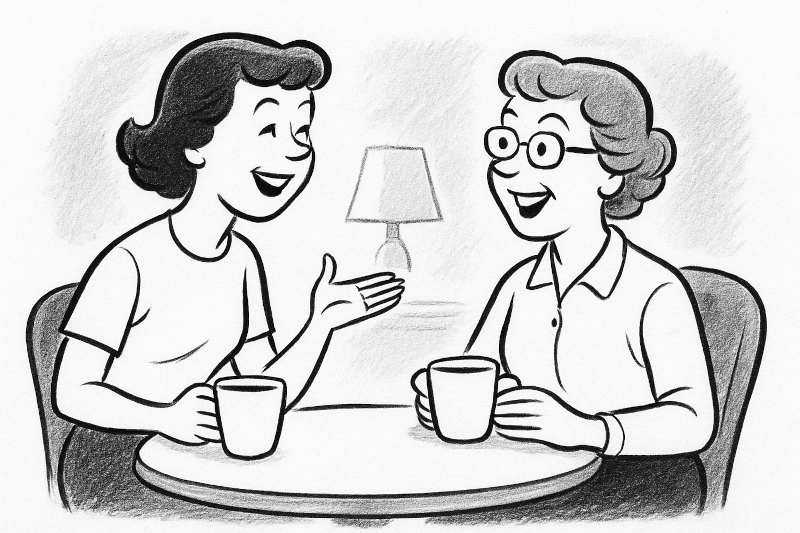
It is normal to have no one to talk to. Many adults report having no close friends or people they can be honest with. Here are some strategies for companionship.
While seemingly outdated in a fast-paced, digitally connected world, writing to a stranger offers unique benefits. It allows for focused self-expression, thoughtful reflection, and can alleviate boredom and loneliness. Famous examples highlight the surprising connections formed through letters, suggesting it's never too late to find a writing companion.
This article explores how older adults often shield their emotional struggles due to unique fears, like loss of identity. It argues that building trust and easing loneliness requires setting aside our own assumptions and listening carefully to what they are willing to discuss, meeting them on their own terms.
This article explores how seemingly casual complaints from an elderly client, Harry, about declining common courtesy actually mask his deeper loneliness following his wife's death. The piece underscores that building friendships and truly listening can alleviate the "cancer" of loneliness, urging readers to be that friend.
The author describes a friend who endlessly vents without resolution. Passive listening didn't help. The article introduces "reflective listening" – actively showing you hear someone by mirroring their words and emotions. Often, people just want to feel understood, and this technique can break complaint cycles and build better connections. Setting listening boundaries is also key.
This article reflects on the importance of persistent communication. It highlights how seemingly mundane questions can be attempts at connection and emphasizes the need for patience and understanding in relationships, especially with aging loved ones. The article encourages readers to actively listen and seek deeper meaning in seemingly insignificant conversations.
A severe snowstorm highlights the isolating effects of winter weather, particularly for elderly individuals. While others quickly resume normal life, the storm leaves many seniors cocooned in loneliness. The experience emphasizes the importance of regular contact, even simple phone calls, to combat isolation and ensure the well-being of vulnerable populations.
A recent study by the U.S. Surgeon General reveals that loneliness is a growing problem, particularly among younger adults. Many people are feeling disconnected and isolated, leading to negative mental and physical health consequences. To combat this epidemic, it's crucial to prioritize human connection and seek out support, whether through personal relationships or services like Easy Tidings.