
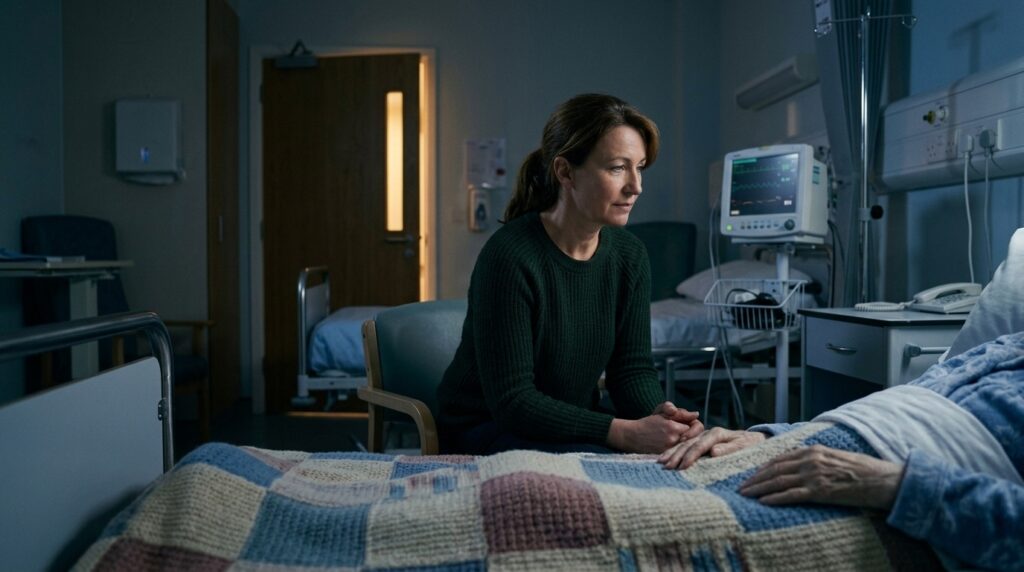

In 2018, I had been volunteering with hospice for several years. It had become, if not easy, then somewhat less nerve wracking than my initial visits in which I didn’t know how to cope with the enormity of the elephant in the room (read: the patient’s death) and my own subsequent nervousness about forming a bond with a stranger at this difficult time. A few years into the process, I had relaxed and settled into how to talk to people nearing the end stages of life.
Just as I thought I had it all figured out, my volunteer coordinator approached me to become certified as a vigil visitor. She explained that the hospice was perpetually short of these special types of volunteers, and she thought I’d do well in the role. Vigil visitors agreed to sit with an actively dying patient who didn’t otherwise have any family or friends. Nurses used to fill this position, but as the healthcare system became more and more strained, they didn’t have time to sit at the bedside and wait for a person to pass away. Even hospice nurses were now too busy for that. No one should die alone, but it increasingly fell to volunteers to make sure that it didn’t happen, Pam1 explained. Would I be interested in giving it a try?
“Sure,” I told her, proud of my selflessness, but almost immediately experiencing doubts. What would I say? How would I comfort these people? What if they needed something from me I couldn’t provide?
“Don’t worry,” Pam assured me. “We call you when the patient is at the very end. They are usually sleeping. You just have to be there for them. If you don’t feel you can handle it, you can always say no.”
But despite Pam’s assurances, I did worry. My time in hospice led me to reflect on some of the ways in which I had related to many of my friends and family members in the past, conversations in which I thought I was being supportive or helpful. I had been remembering times that someone would share a story and I might chime in with a similar event, thinking that by telling them about it, we were comparing things that would show how much we had in common. Or if someone told me that they had an ailment I would tell them about one of mine, too, to show that I understood what they were going through. If a friend shared a difficulty, I reflected on how I would try to cheer them up.
While none of these conversations were bad or wrong, my time in hospice had revealed that when time is short, many people simply want to be heard. They don’t want consolation, cheering or even commonality. They want your attention and understanding. Many feel a burden that they want to share by talking. They don’t need to hear your side of things in return. They just want to be heard. When I realized that and I quieted down and merely listened without waiting for a chance to validate their feelings or experiences, my world opened up. I hardly had to speak at all. Many people spoke without cease. They had been waiting for an opportunity for many years. Had I been going about my relationships wrong this whole time? Should I listen more to my friends and family? Do I want to be heard more than I am?
Understanding this had been important for me and made me a better wife, mother, daughter and friend, but it scared me when I thought of attending the deathbed of a person who couldn’t speak at all. How could I apply these lessons and give comfort to the dying, who have the need of human companionship but can’t tell us anything at all? I was terrified that I would fall short.
In the end, I needn’t have worried at all. In every situation, there is an opportunity to listen. Whether the person you are with is silent, screaming, sleeping or still, there are ways that people reach out to tell you what they need in that moment. You may not understand at first, but if you quiet your own reservations, you can hear them speaking to you. It may be a gesture or a twitch or a peaceful breath, but they will tell you. Whether you volunteer for hospice or practice listening in your workplace, you will find that you can help your coworkers, your family and yourself by merely trying a little each day to notice the need in those around you.
- Not her real name ↩︎